
Ubicación: Hall 1
Artist
Curator
Alexis Fabry
"I first encountered the work of Juan Enrique Bedoya in 2008, during a journey to Lima with Jean-Louis Larivière. After several years of travel across the continent, it was our first time in the Peruvian capital. At the bookshop of the Lima Art Museum (MALI), we came across the catalogue of an earlier exhibition held at the Peruvian-North American Cultural Institute: The Generation of the Eighties, the Years of Violence. The publication documented the artistic responses of those under thirty in 1980, shaped by the internal conflict that had shaken the country. Among the contributions, Bedoya's series stood out—ten portraits of marginalized individuals from Lima, each presented with the same frontal, centered composition. He would later tell us these were inspired by childhood drawings he had made at the age of eight.
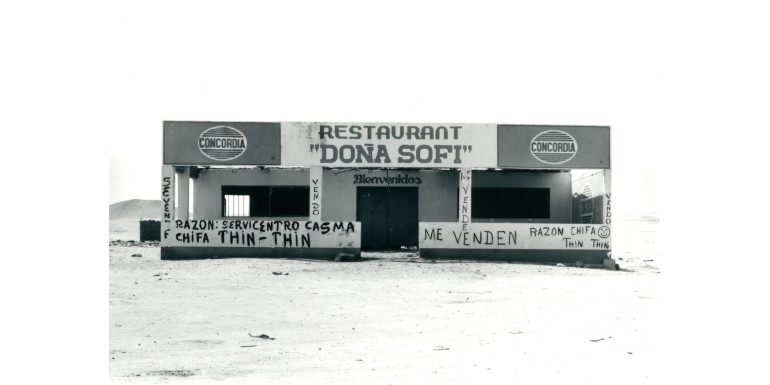
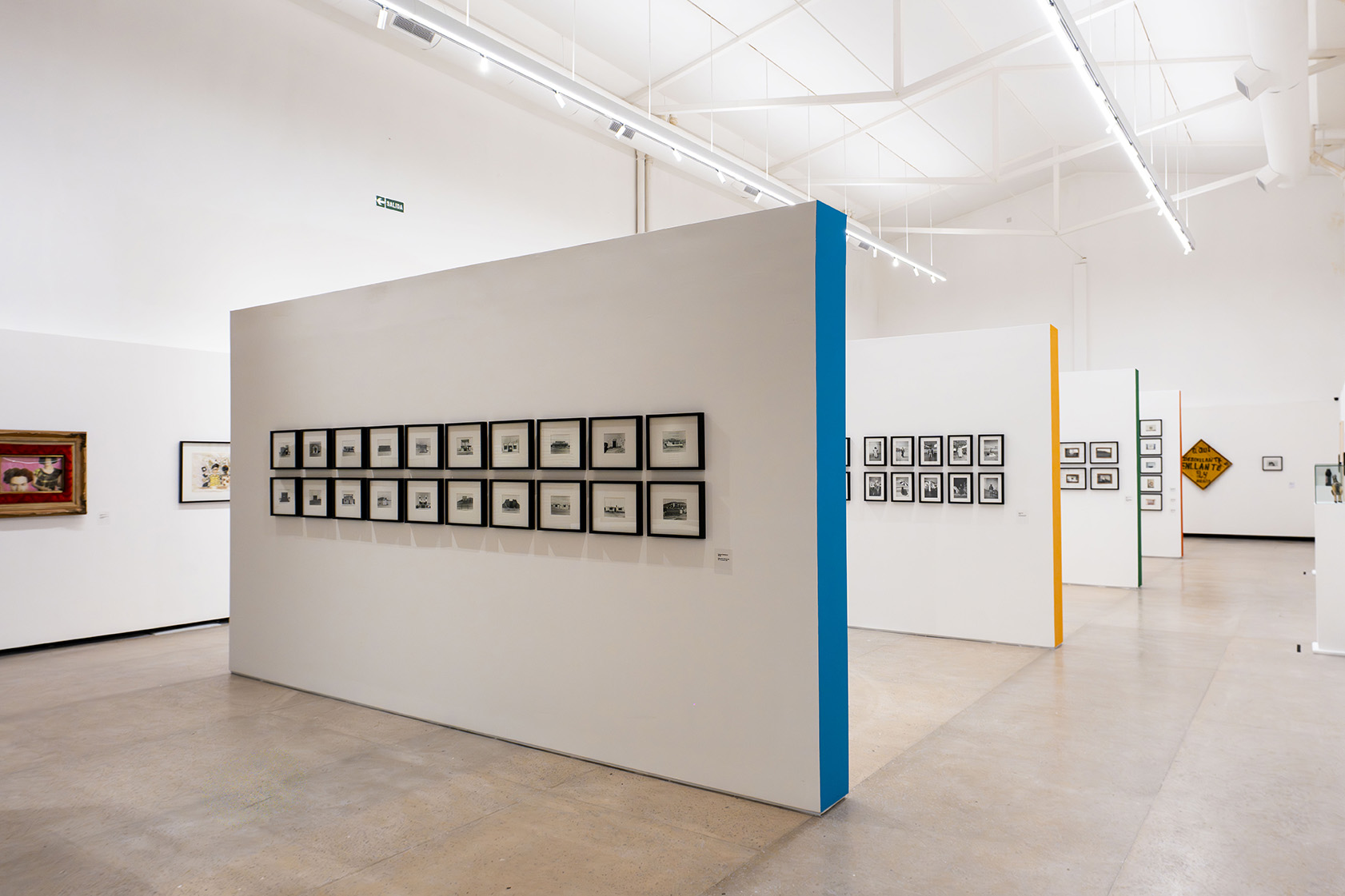
With a quiet reserve, Bedoya gradually introduced me to other facets of his practice, notably his architectural photography. Bleached whites and diffuse blacks under the harsh desert light revealed a rigorous visual grammar. Each structure is photographed frontally, from a consistent distance, bearing witness to a vernacular built environment—what might be called an “architecture without architects.” These images speak of place and people, revealing a spontaneous order and understated beauty.
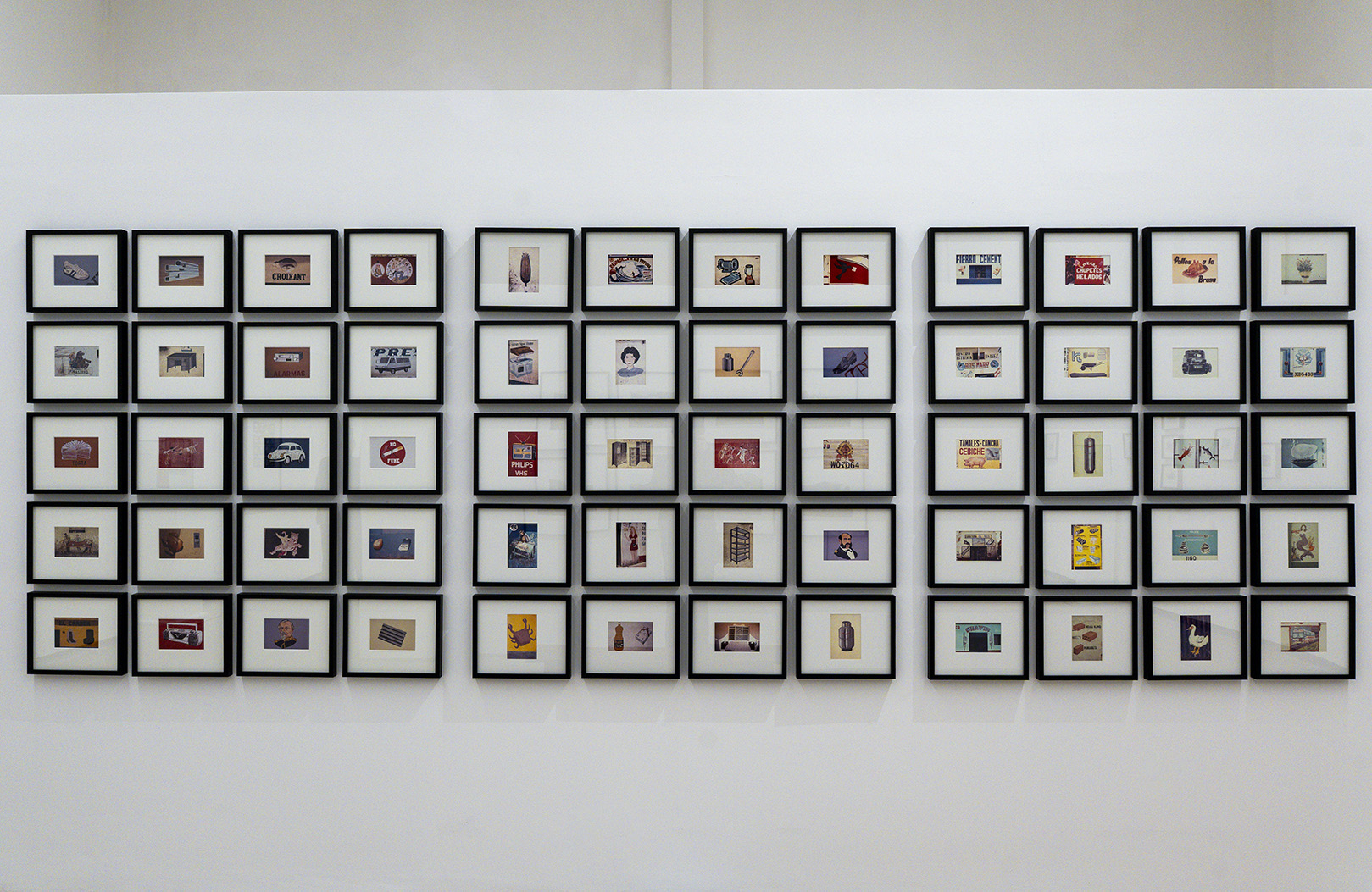
Shortly after, I discovered his work in color: walls across the Peruvian provinces painted with bold images announcing consumer goods, declaring political allegiances, or patriotic fervor. These anonymous murals, rendered with untrained hands and vivid intent, are recorded with the same clarity and respect as his other subjects.
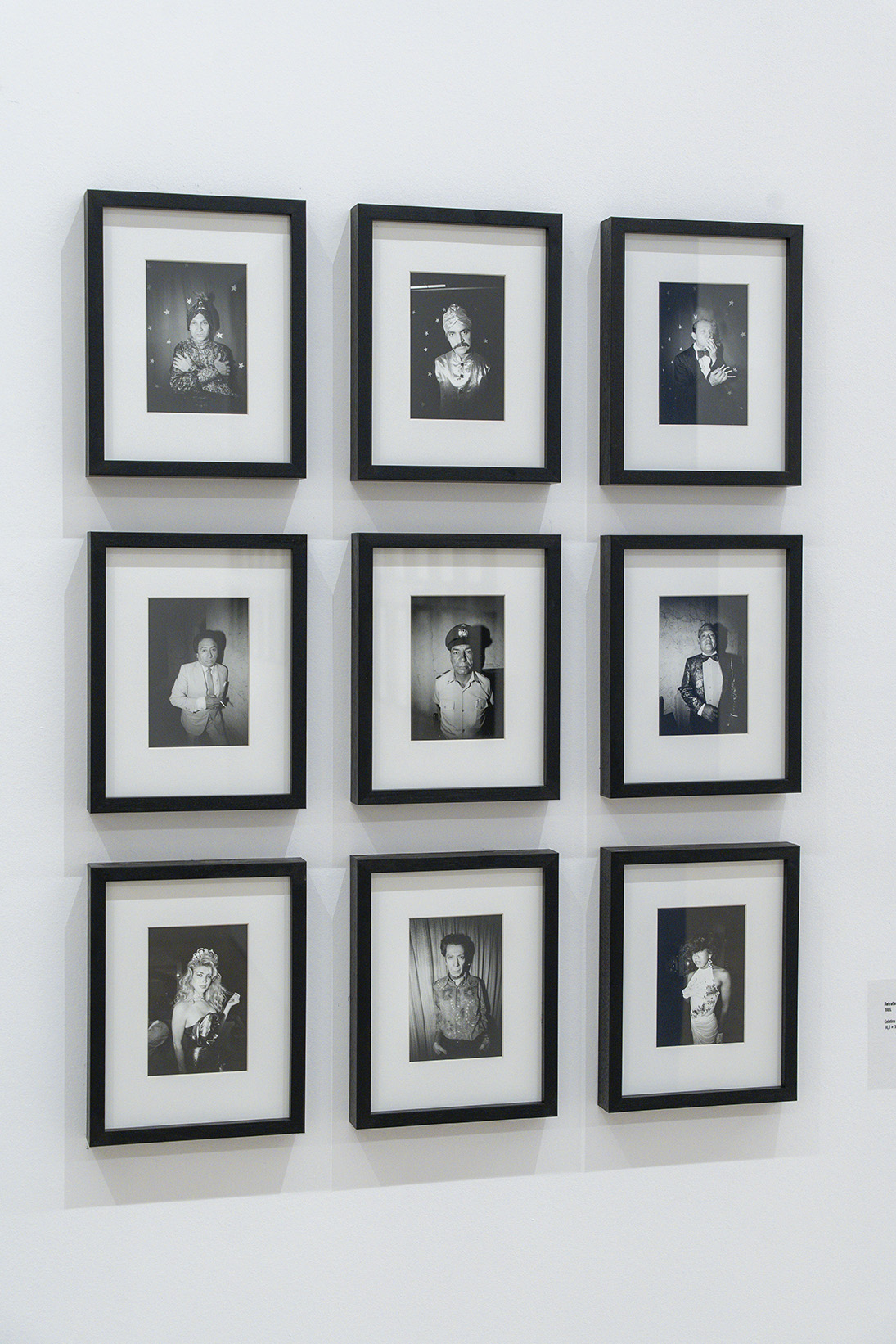
As our dialogue deepened, Bedoya shared with me a more extensive selection of prints from past exhibitions, meticulously produced in his own studio. Among these, a 1989 series of nine nighttime portraits immediately drew me in. Against a uniform dark backdrop, the images portray a curious cast of characters—a policeman, a starlet—locked in a subtle exchange that hints at the tensions between authority and desire, bolero and black magic.
Over time, what continues to resonate is the material presence of Bedoya’s work, his profound connection to Peru’s popular culture, and his refusal to impose hierarchies on the world around him. He captures life as it is lived—in both its vast gestures and its smallest details" - Alexis Fabry.
Juan Enrique Bedoya
Juan Enrique Bedoya was born in Lima, Peru, in 1966.
He has exhibited his work in solo and group shows since 1990, and his pieces are included in public and private collections across Europe and the Americas.
In 1998, he was one of the winners of the First National Biennial of Lima, and in 2003, he received the Jury Prize at the Fourth International Biennial of Contemporary Art in Florence, Italy.
He has been awarded scholarships in both the United States and France.
In 2018, he presented his solo exhibition Museo at the Lima Art Museum (MALI), accompanied by a catalog of the same name.
In 2012, British art critic Kevin Power published a monograph on his work entitled A lo largo de la costa peruana (Along the Peruvian Coast).
Bedoya’s oeuvre explores the relationship between classic documentary photography and the boundaries between the so-called high and low cultures. His work is striking for its freedom and the interdisciplinary approach taken.
He lives and works in Peru.
Book
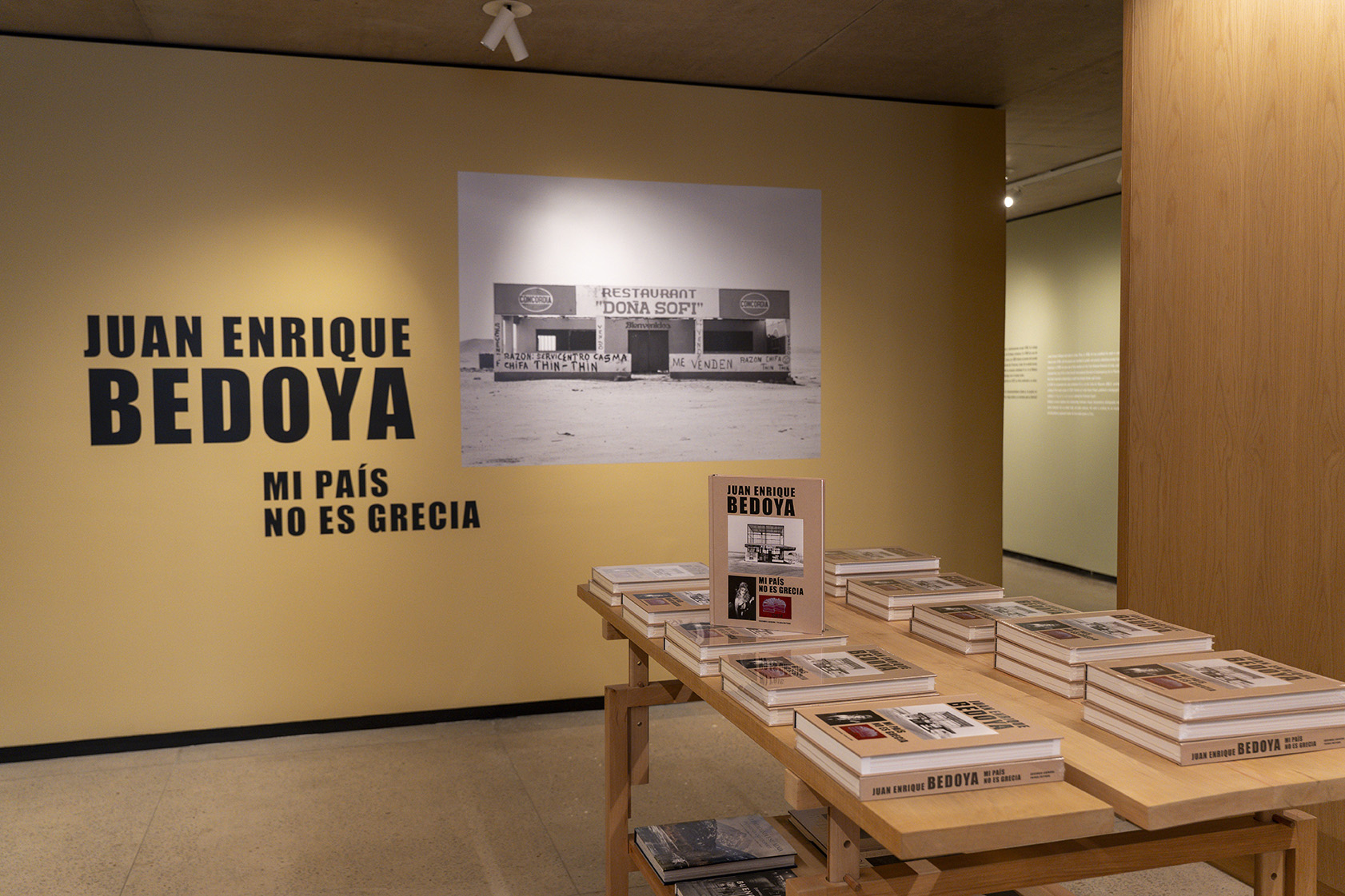
Juan Enrique Bedoya. Mi país no es Grecia
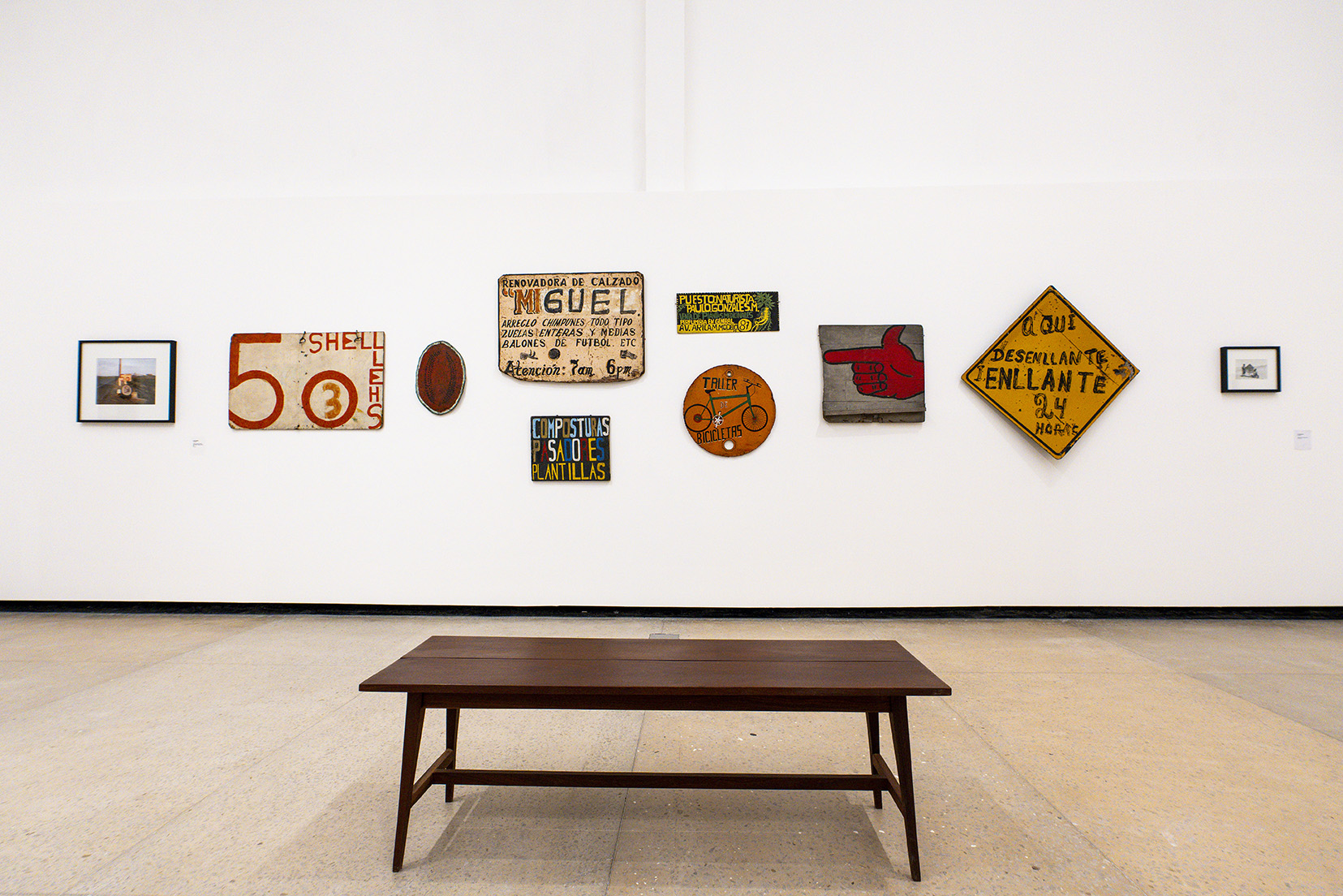
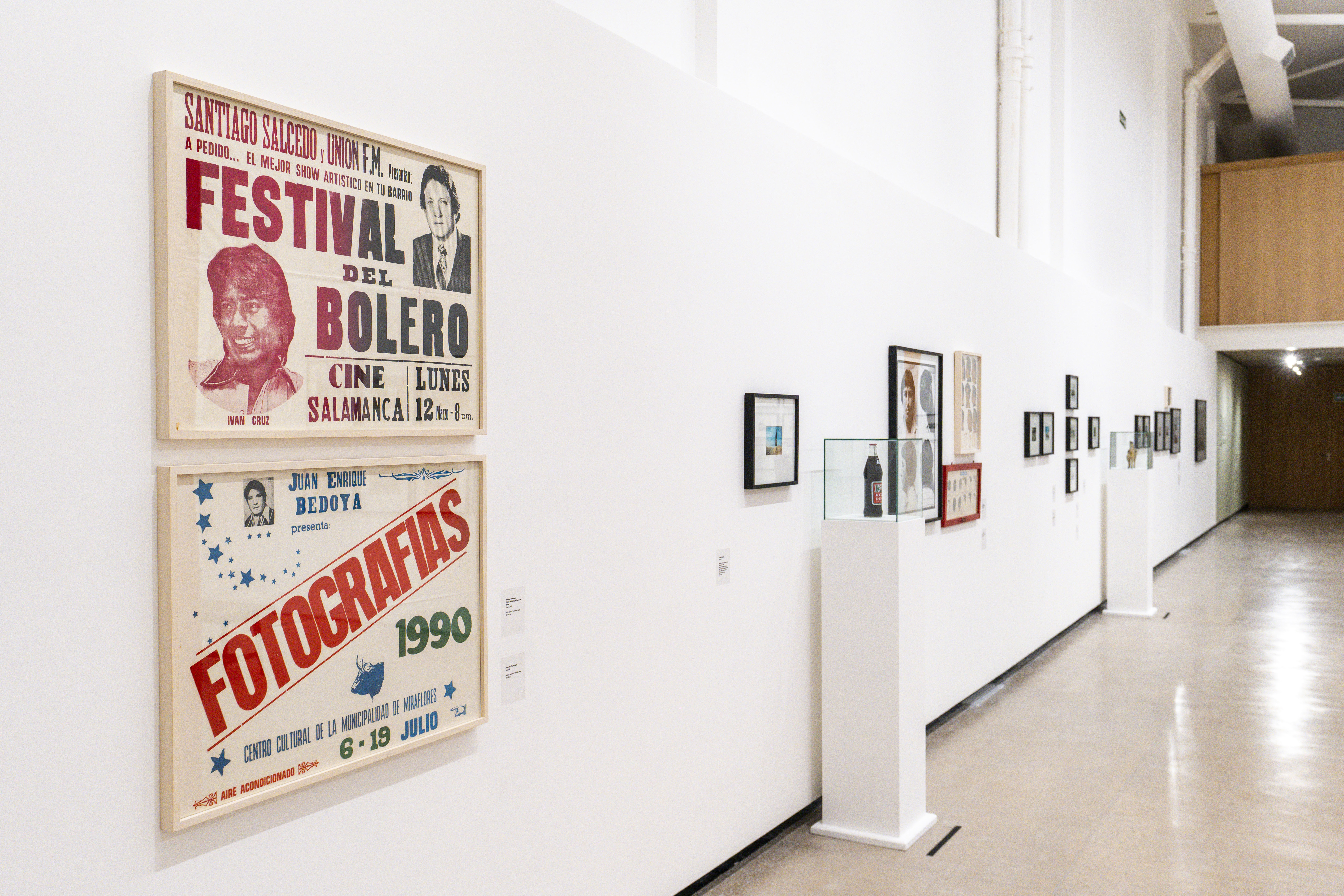
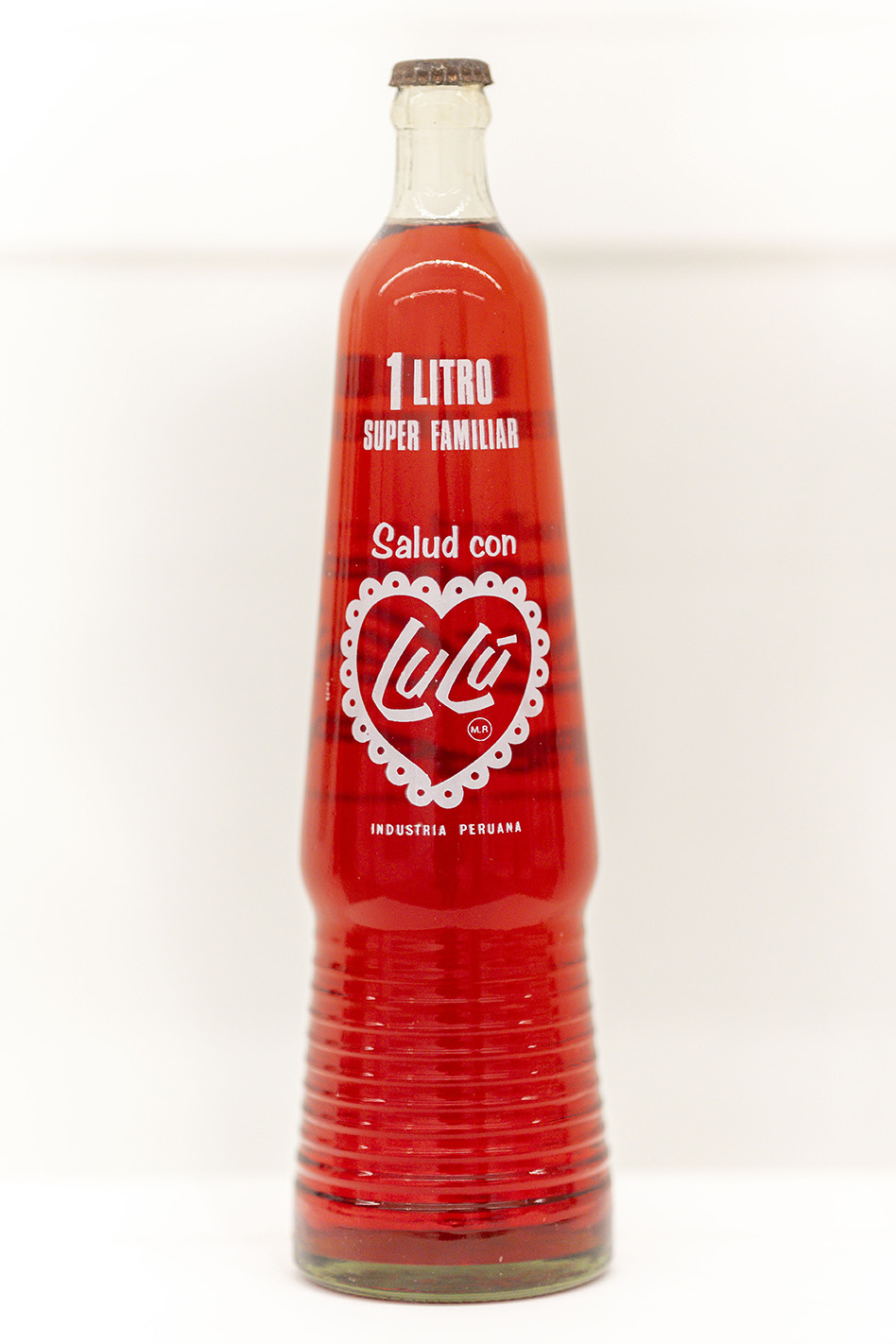
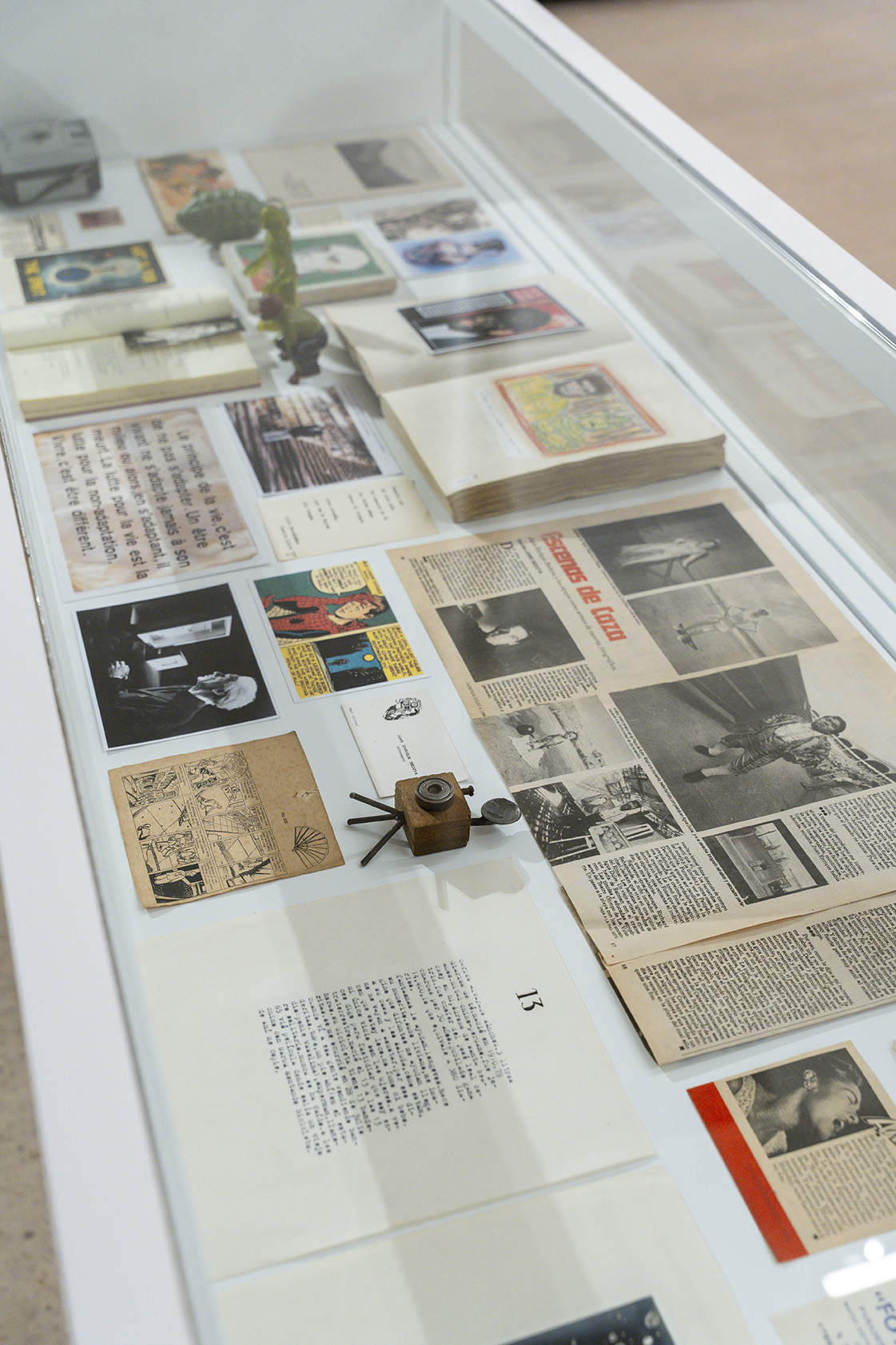
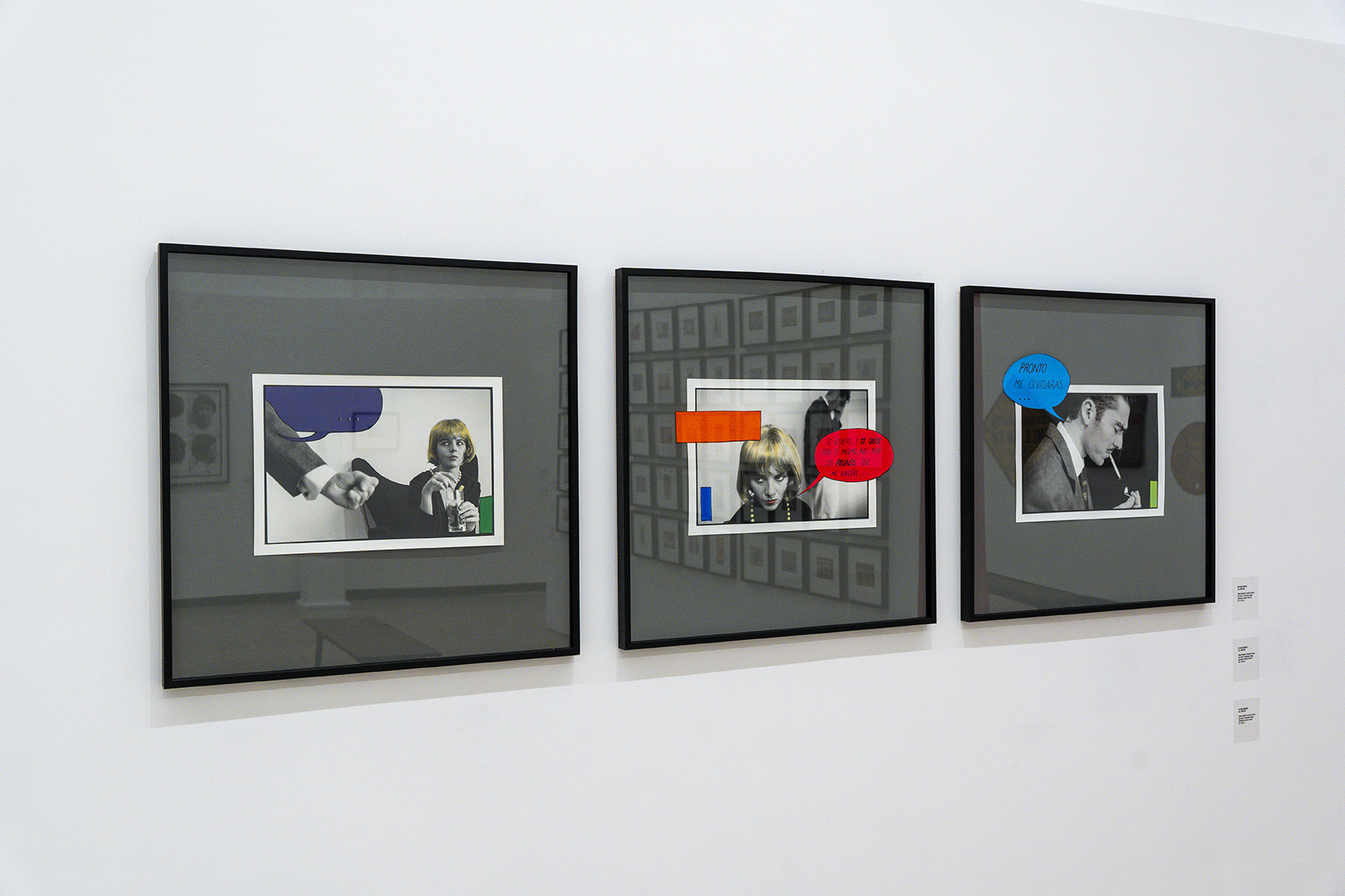
The exhibition My country isn't Greece is supported by Bodega Catena Zapata and Sinteplast.
.jpg)